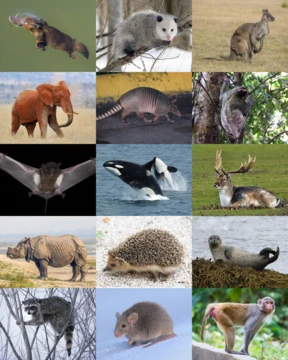
European bison
Heaviest wild land animal in Europe, once extinct in the wild.

Flocci Nivis · CC BY 4.0
The European bison (Bison bonasus), also known as the wisent or zubr, is a species of bison native to Europe and one of two extant bison species, alongside the American bison. It is the heaviest wild land animal in Europe, with individuals in the past potentially larger than modern descendants. During late antiquity and the Middle Ages, the bison became extinct in most of Europe and Asia, surviving into the 20th century only in northern-central Europe and the northern Caucasus Mountains. Hunted to extinction in the wild in the early 20th century, it was later reintroduced through captive breeding programmes and by the late 2010s numbered several thousand, though it remains absent from most of its historical range.
- status
- Near-threatened (IUCN, as of 2008 reclassification)
Lore & Background
The European bison was first scientifically described by Carl Linnaeus in 1758. Some later descriptions treated it as conspecific with the American bison. Three subspecies existed in the recent past, but only the nominate subspecies (B. b. bonasus) survives today. The ancestry and relationships of the wisent to fossil bison species remain controversial and disputed. Genetic evidence indicates that European bison were present across Europe from Spain to the Caucasus during the Last Glacial Period, co-existing alongside steppe bison. Cave paintings appear to distinguish between B. bonasus and B. priscus.
Reader's Guide
The European bison holds significant ecological and cultural importance as the heaviest surviving wild land animal in Europe and a symbol of national identity for Poland and Belarus. The species' recovery through captive breeding and reintroduction, leading to a status change from extinct in the wild to endangered, then vulnerable, and finally near-threatened by the late 2010s, represents a notable conservation success. However, it remains absent from most of its historical range. The European bison is not to be confused with the aurochs, the extinct ancestor of domestic cattle, with which it once co-existed. Besides humans, bison have few predators; in the 19th century, there were scattered reports of wolves, lions, tigers, and bears hunting bison.
Did You Know?
- The European bison is one of the national animals of Poland and Belarus.
- The word 'wisent' was borrowed in the 19th century from modern German 'Wisent', related to Old High German 'wisunt'.
Taxonomy, Naming, and Cultural Identity
The European bison was first formally described by Carl Linnaeus in 1758 and stands as one of only two living bison species, the other being its American counterpart. Three subspecies were documented in the recent past—the nominate lowland form, the Caucasian wisent, and the Carpathian wisent—yet only the nominate lineage endures today. Its precise evolutionary links to fossil bison remain debated, and it must not be confused with the aurochs, the vanished ancestor of domestic cattle with which it once shared habitats. The animal's name carries a remarkably long linguistic trail: Aristotle called it bónasos in the fourth century BC, while Paeonian speakers used the term monapos. The Old English word wesend descended from Proto-Germanic roots, and the modern English term wisent was borrowed from German in the nineteenth century. The Polish word żubr, widely adopted in English as zubr, appears across Slavic languages and may trace to a Proto-Indo-European root meaning tooth, horn, or peg. In the Baltic states, the animal is called stumbras in Lithuanian and sumbrs in Latvian. The bison holds the distinction of being a national animal of both Poland and Belarus.
Physical Stature and Ecological Role
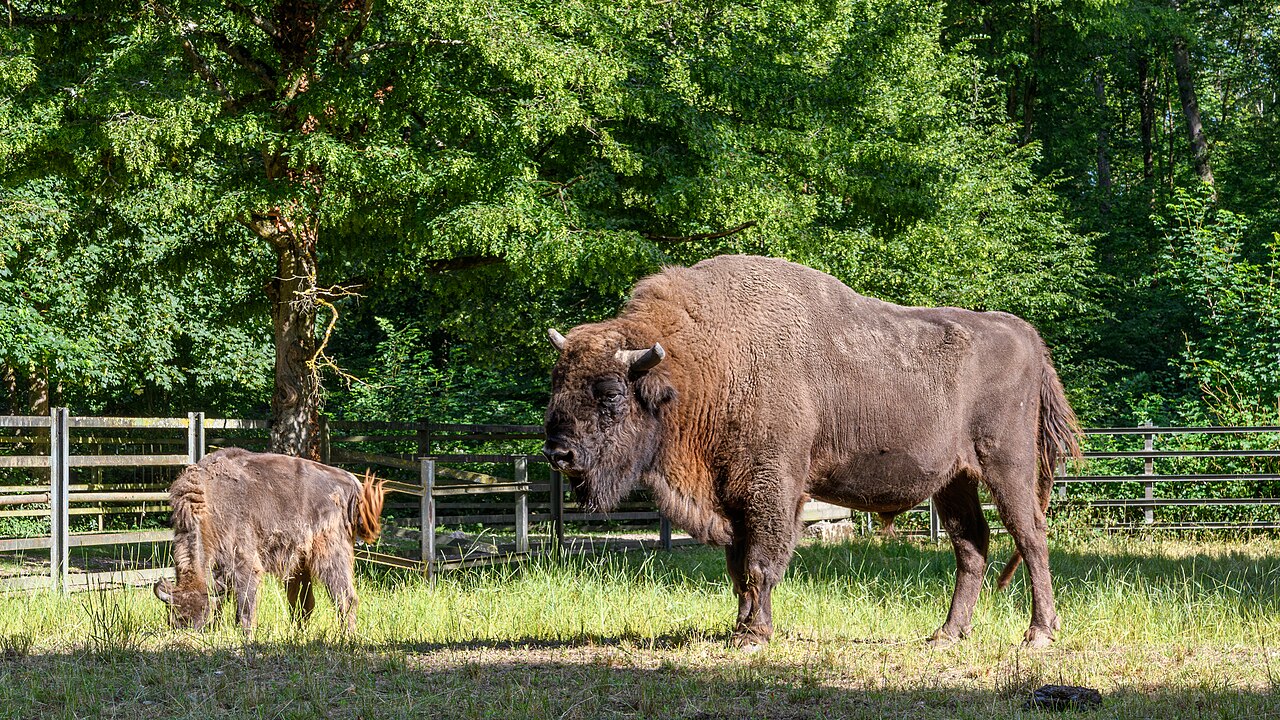
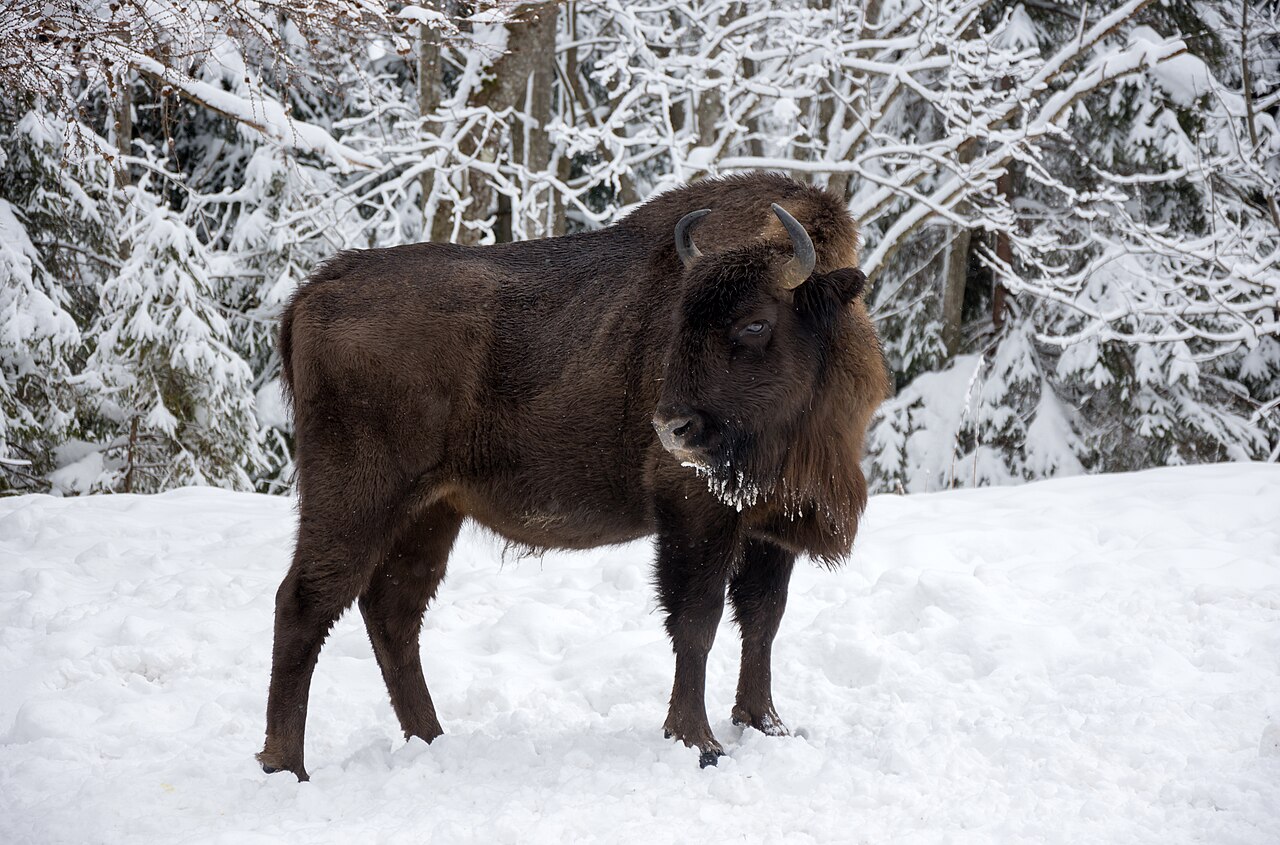
The European bison is the heaviest surviving wild land animal on the European continent. Males measure roughly 2.8 to 3.3 metres in body length, excluding a tail of 30 to 92 centimetres, and stand between 1.8 and 2.1 metres at the shoulder. Their body mass ranges from approximately 615 to 920 kilograms. Females are somewhat smaller, with body lengths of about 2.4 to 2.9 metres. Historical evidence suggests that earlier populations may have been even larger than these modern remnant animals, a pattern shared with their American cousins. In terms of predation, the bison has very few natural enemies beyond humans. Scattered nineteenth-century accounts mention wolves, lions, tigers, and bears taking bison, but such events were rare. For most of recorded history, the principal threat came from people, who killed the animals for their thick hides, meat, and other products such as drinking horns. The species' sheer size and strength made it a formidable presence in European forests and grasslands, and its ecological footprint as a top-level herbivore shaped the landscapes it inhabited.
Centuries of Decline and the Road to Wild Extinction
During the late Roman period and the medieval centuries, the European bison was driven out of most of its former range across Europe and Asia. By the time the modern era began, the species persisted only in pockets of northern-central Europe and the northern Caucasus Mountains. In the Middle Ages, humans routinely hunted bison for their hides, meat, and other by-products, and the pressure never truly abated. The Carpathian wisent, a distinct subspecies, was the first to vanish, hunted to extinction by 1852. The lowland European bison fared only slightly better: the last wild individuals of that subspecies were shot in the Białowieża Forest, straddling today's Belarus–Poland border, in 1921. The Caucasian wisent held on a few years longer before the final animal was killed in the northwestern Caucasus in 1927. By the early twentieth century, no truly wild European bison remained anywhere on the continent, marking one of the most dramatic losses of megafauna in European history.
Captive Survival and the Long Road Back to the Wild
The story does not end in extinction. A small number of lowland European bison were kept alive in captivity, and from those captive animals, large-scale breeding and reintroduction programmes were launched across several European countries. By the late 2010s, the species numbered several thousand individuals and had been returned to the wild through these captive-breeding efforts. In 1996, the International Union for Conservation of Nature reclassified the reintroduced population as endangered, formally acknowledging that the species was no longer extinct in the wild. Since that designation, its conservation status has steadily improved, moving to vulnerable and then to near-threatened. The European bison is no longer in immediate danger of disappearing, yet it remains absent from the vast majority of its historical range. The recovery, while remarkable, is still incomplete, and the species continues to depend on careful management to expand its footprint across the continent.
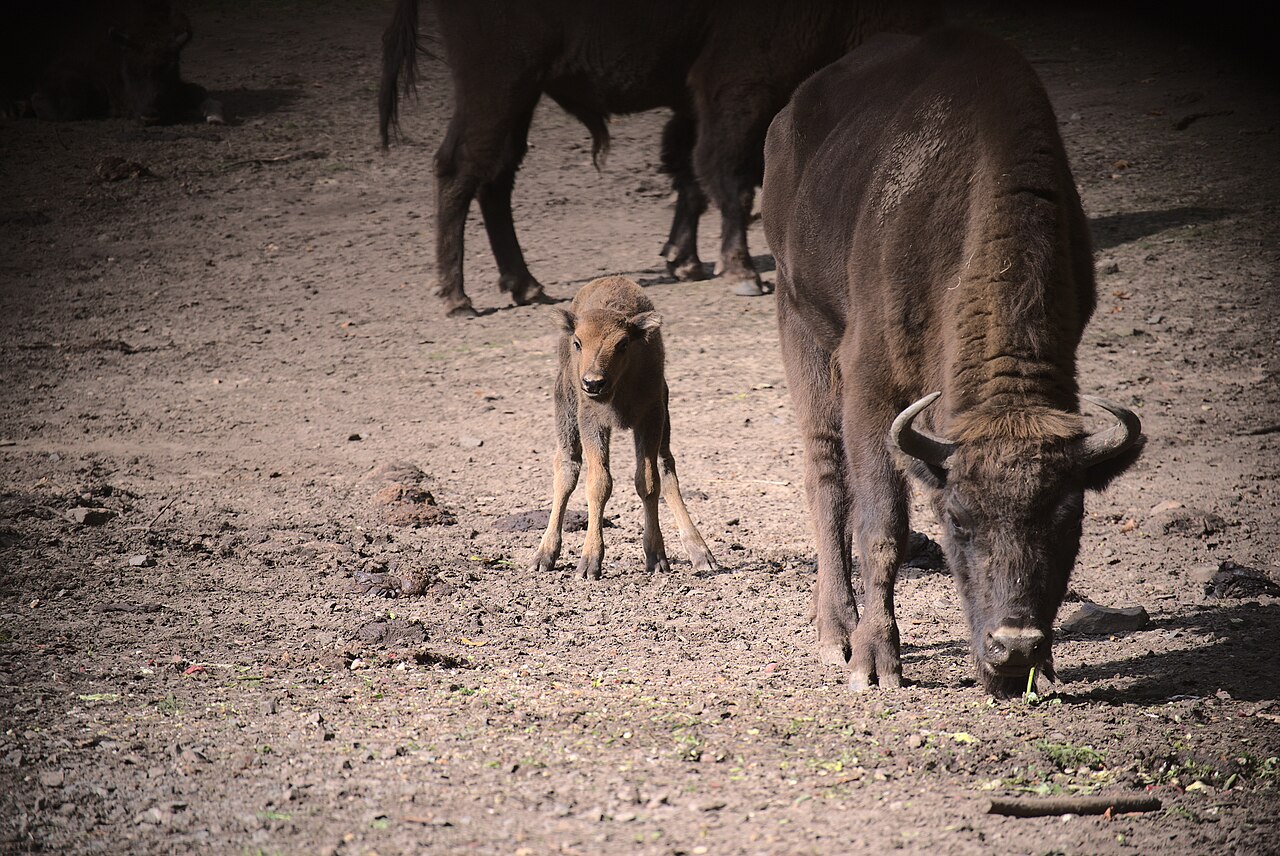
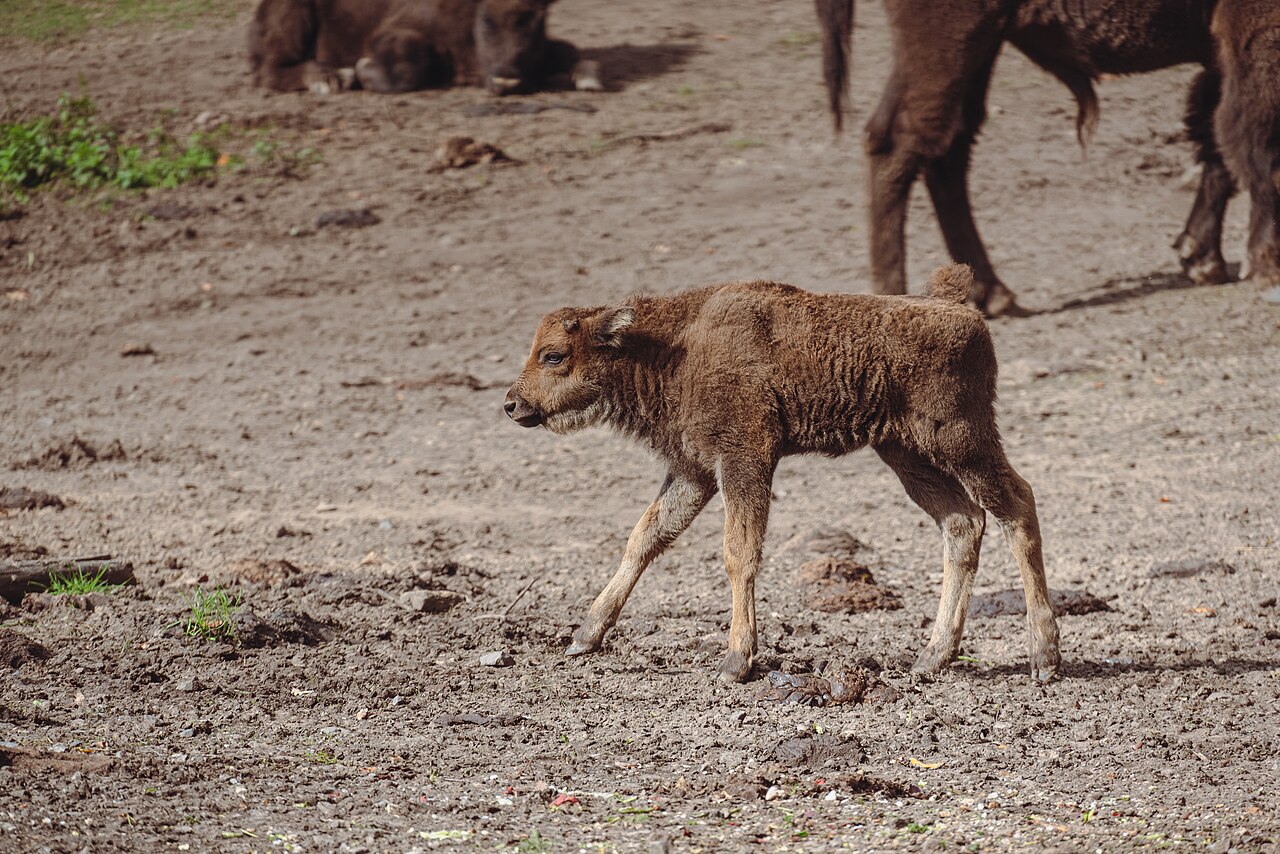
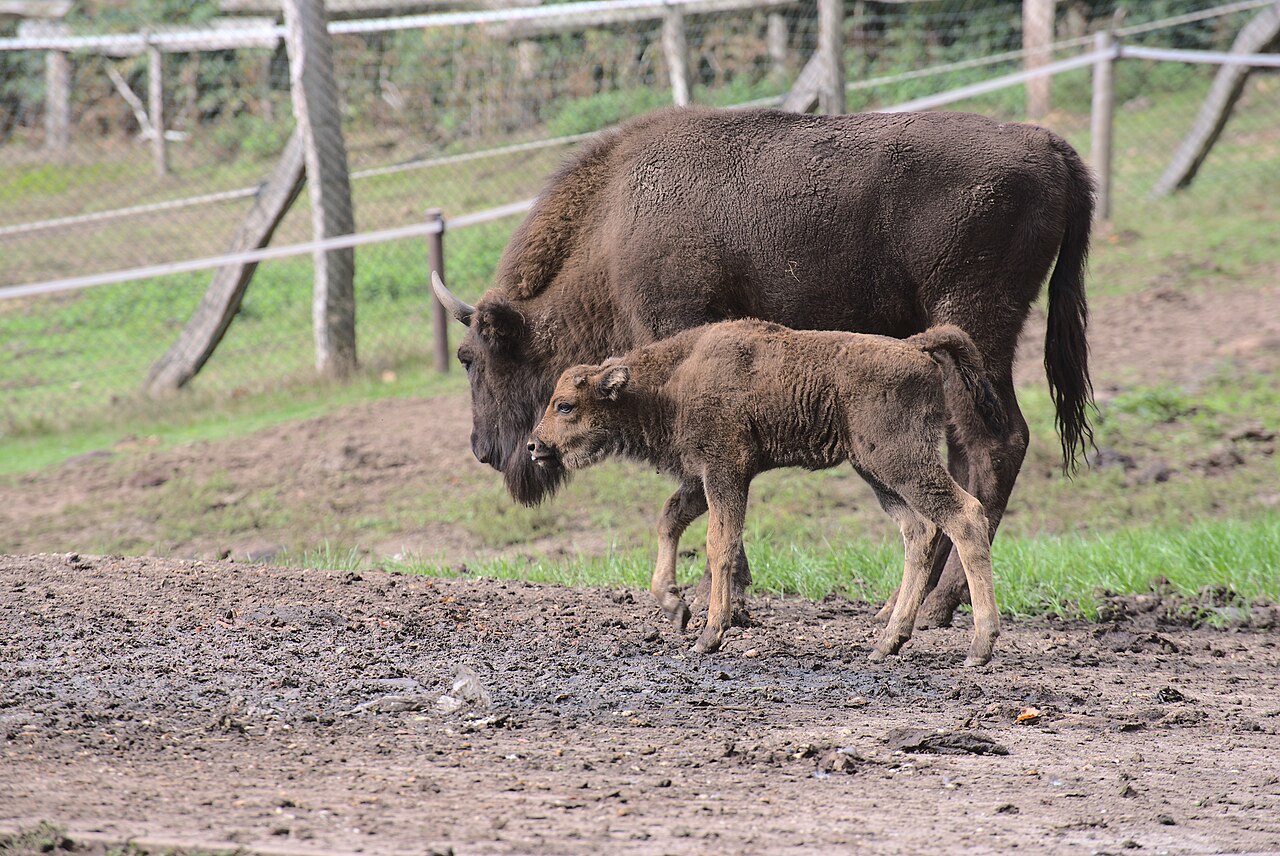
Gallery
Frequently Asked Questions
Who is European bison?
The European bison, also called the wisent or zubr, is a large bovid native to Europe and one of only two surviving bison species on the planet. It holds the distinction of being the heaviest wild land mammal on the continent.
What are European bison's powers or role?
As Europe's heaviest wild land animal, the bison is a powerful grazer that historically shaped vast grassland and forest-edge ecosystems. Its sheer size and strength once made it a dominant force across the continent's plains and woodlands.
Why is European bison important?
The bison acts as a keystone grazer, maintaining open habitats that support countless other plants and animals. Its recovery from wild extinction also stands as one of conservation's most celebrated success stories.
What is European bison's current status?
Following a 2008 IUCN reclassification, the species is listed as Near-threatened. Reintroduced herds have grown across parts of Europe, though the population still contends with habitat fragmentation and limited genetic diversity inherited from its small captive-bred founding group.
More in Mammals 25-40
Elsewhere in the Mammals universe
Spotted an error? Know more?
This is a living reference — every entry is fact-audited, and reader corrections feed straight into our audit queue. Suggest an edit · See this site's audit record